


Burmese Migrant Workers’ Education Committee
A community-based organisation dedicated to ensuring access to education for migrant children from Myanmar
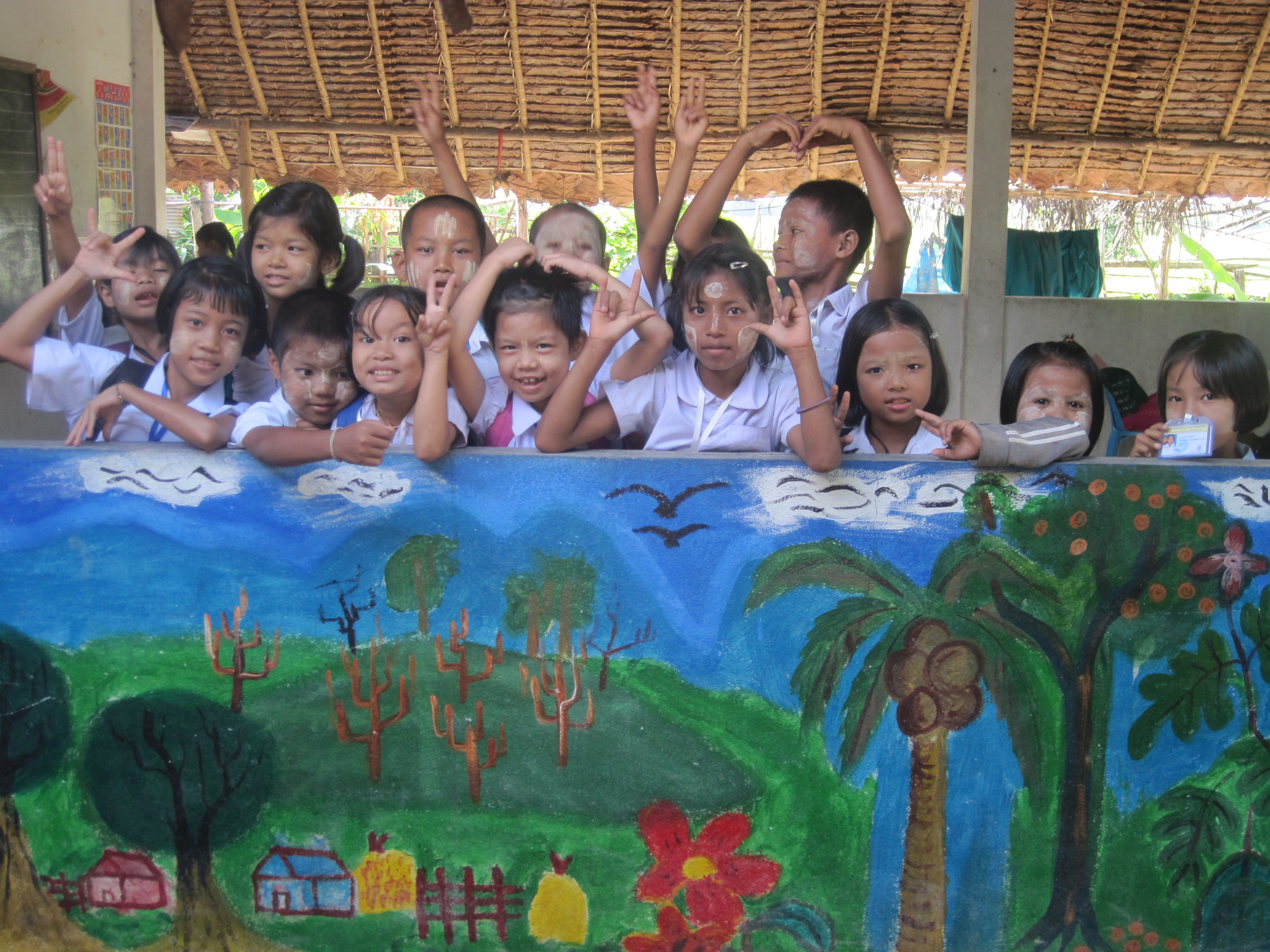
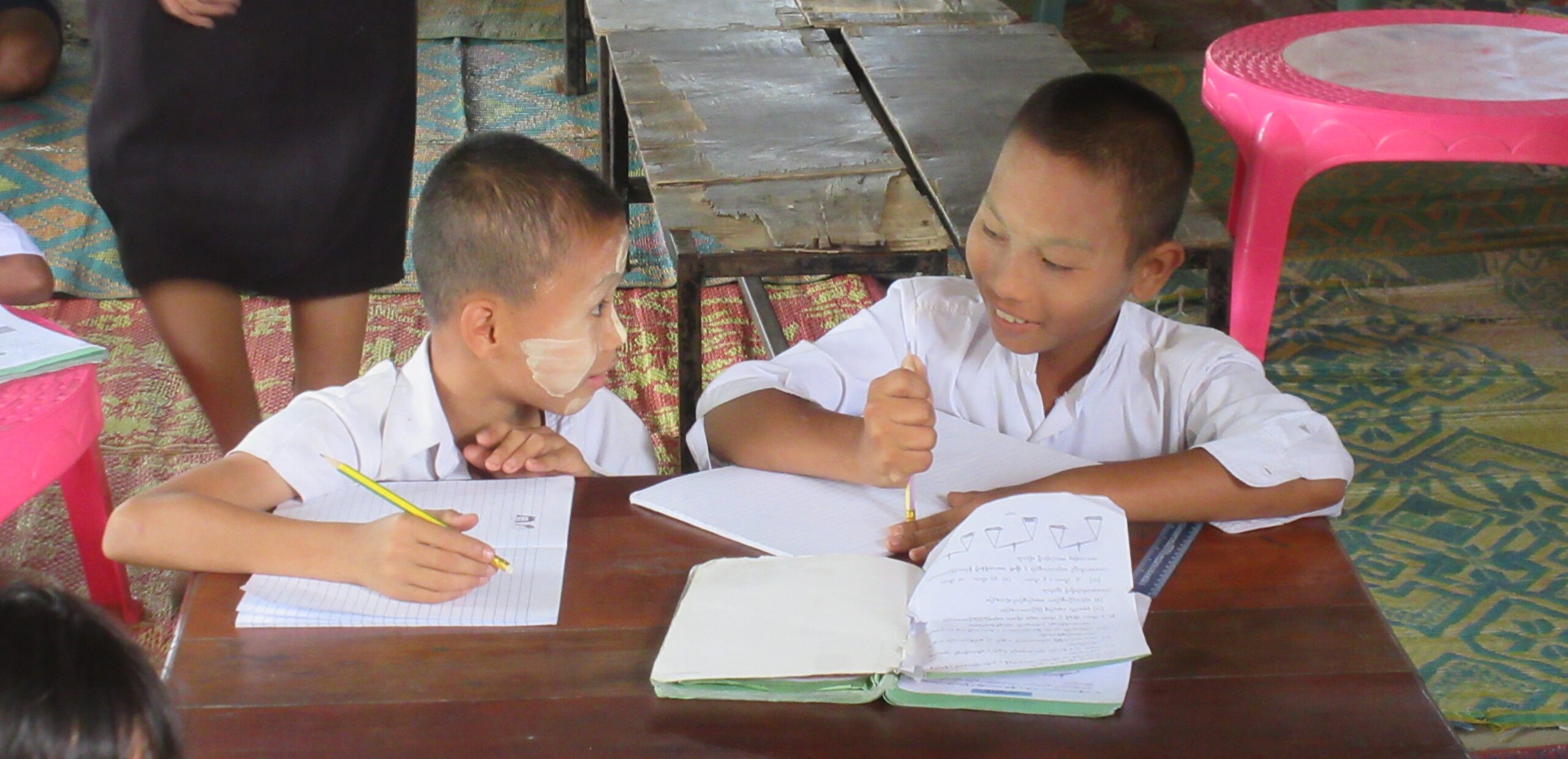
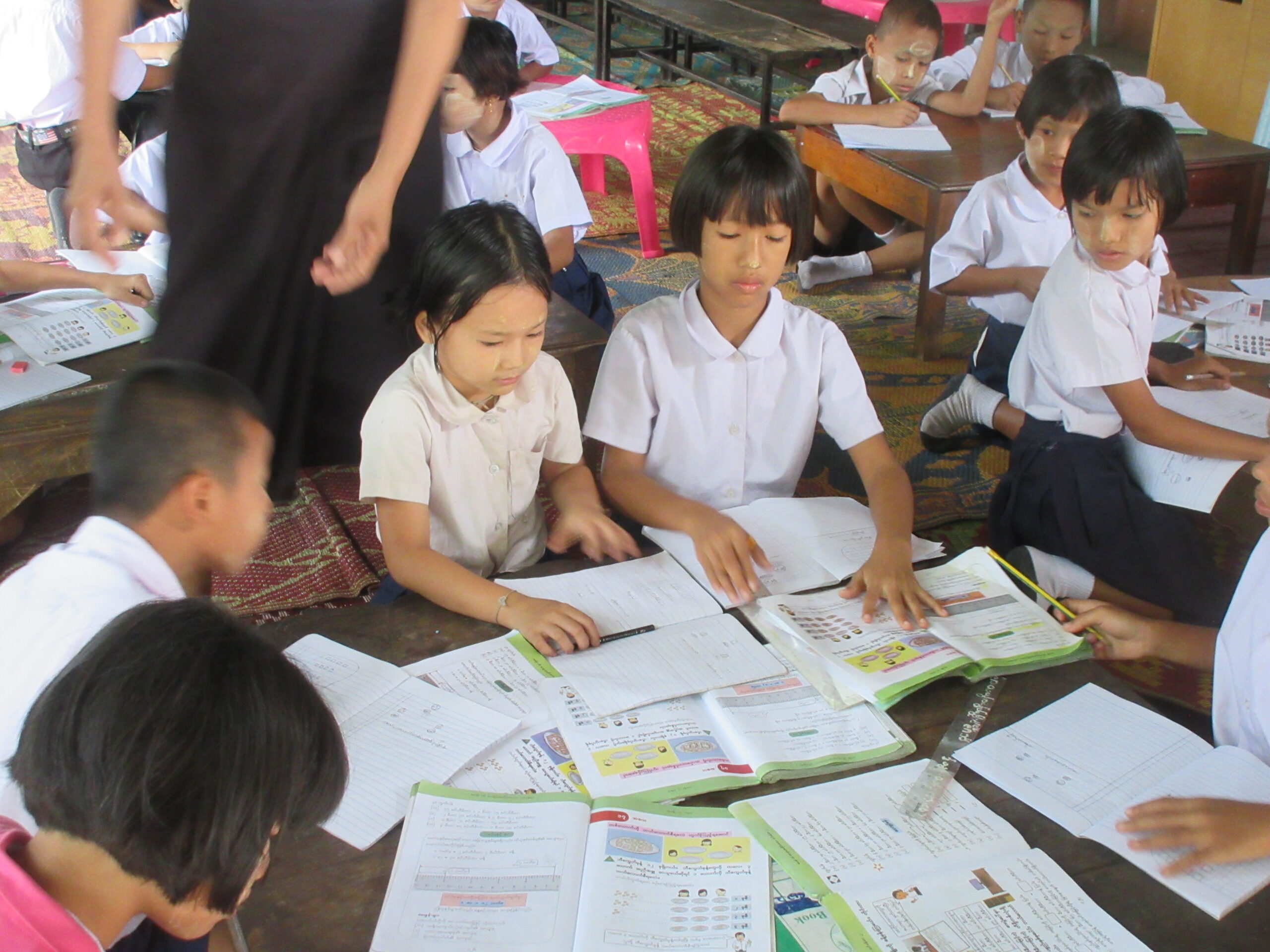
BMWEC is a community-based organization located in Mae Sot, a large town in western Thailand and the major land gateway to Myanmar, formerly known as Burma. Mae Sot and the surrounding area along the Thai-Myanmar border are home to an estimated 206,000 migrants, both registered and unregistered. BMWEC serves as an administrative umbrella for 31 learning centers in Mae Sot as of the 2023 – 2024 academic year. These learning centers receive financial and logistical support through BMWEC and provide access to education for nearly 5,000 children and young people as well as employment for more than 300 teachers.
We believe that :
- Children’s education should DEVELOP each child’s personality, talents and abilities to the fullest.
- It should ENCOURAGE children to respect others, human rights and their own and other cultures.
- It should also help them learn to LIVE peacefully, protect the environment and respect other people (from the UN Convention on the Rights of the Child, Article 29).
About Us
Photos
Contact Us
Currently We have
0
Students
0
Teachers
0
Learning Centres
0
Years
COVID’S IMPACT
Two years of pandemic have taken a toll on the BMWEC. Our staff and teachers have worked tirelessly to carry on with educational activities even though migrant learning centres have not been permitted to open. Maintaining donor interest has been challenging. Our hope is that 2022 will allow a full reopening and return to classroom teaching and learning. Migrant children need and deserve to have access to education so that they can develop fully as human beings.
Some of our partners